
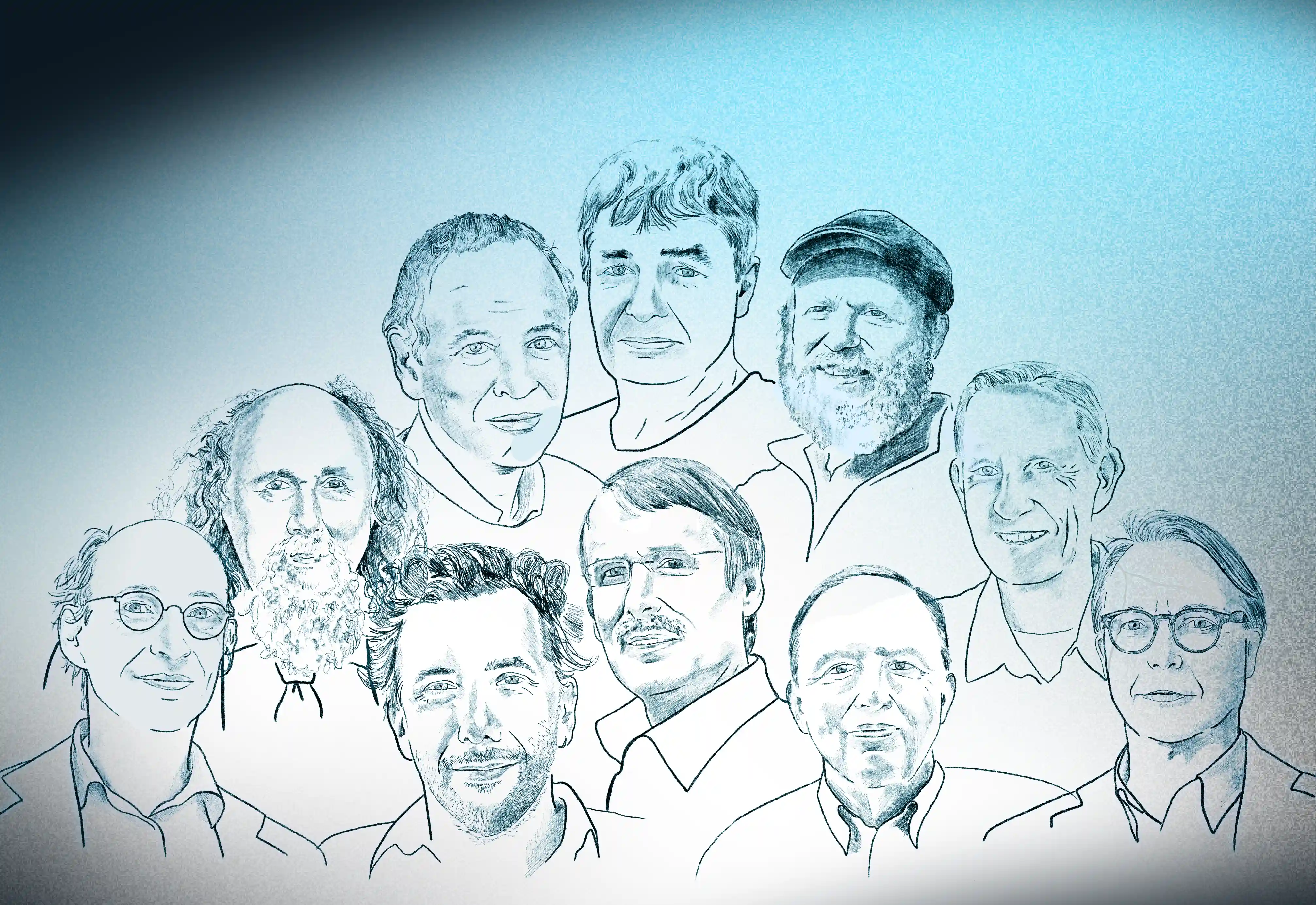
Carbon Brief’s Project Cosmos is the largest known database of climate change research, featuring more than 1.8m individual publications.
Every publication has a list of authors – the experts who carried out fieldwork, analysed data and drafted the document itself.
Hundreds of thousands of experts are listed as authors in these studies, books and reports.
Each publication also has a list of references – the other academic works on which the authors drew to develop their research.
Carbon Brief has calculated a citation score for each expert, by counting how many times their publications are referenced by others within the Cosmos database.
The Cosmos 500 ranking shows the most highly cited academics in Carbon Brief’s database, based on their citation score.
(This ranking only counts references from within Carbon Brief’s Cosmos database. This is distinct from the citation count given by, for example, Google Scholar, which counts all references the publication has ever received.)
Topping the Cosmos 500 is French researcher Prof Philippe Ciais, whose work focuses on modelling the global carbon cycle.
In second and third place are Prof Phil Jones and Prof Francis Stuart Chapin III, respectively.
Almost half of the authors in the Cosmos 500 are from institutions in the US, while experts from global south countries account for only 4%.
Additionally, Carbon Brief finds that only 10% of the authors in the Cosmos 500 are women. The first 35 entries of the Cosmos 500 ranking are men.
Carbon Brief also analysed the 107,000 publications that are directly referenced in the IPCC reports, known as the “IPCC-only” section of the Cosmos database.
Prof Detlef P van Vuuren from Utrecht University and PBL Netherlands Environmental Assessment Agency is the highest-scoring scientist in this analysis.

The
top 20
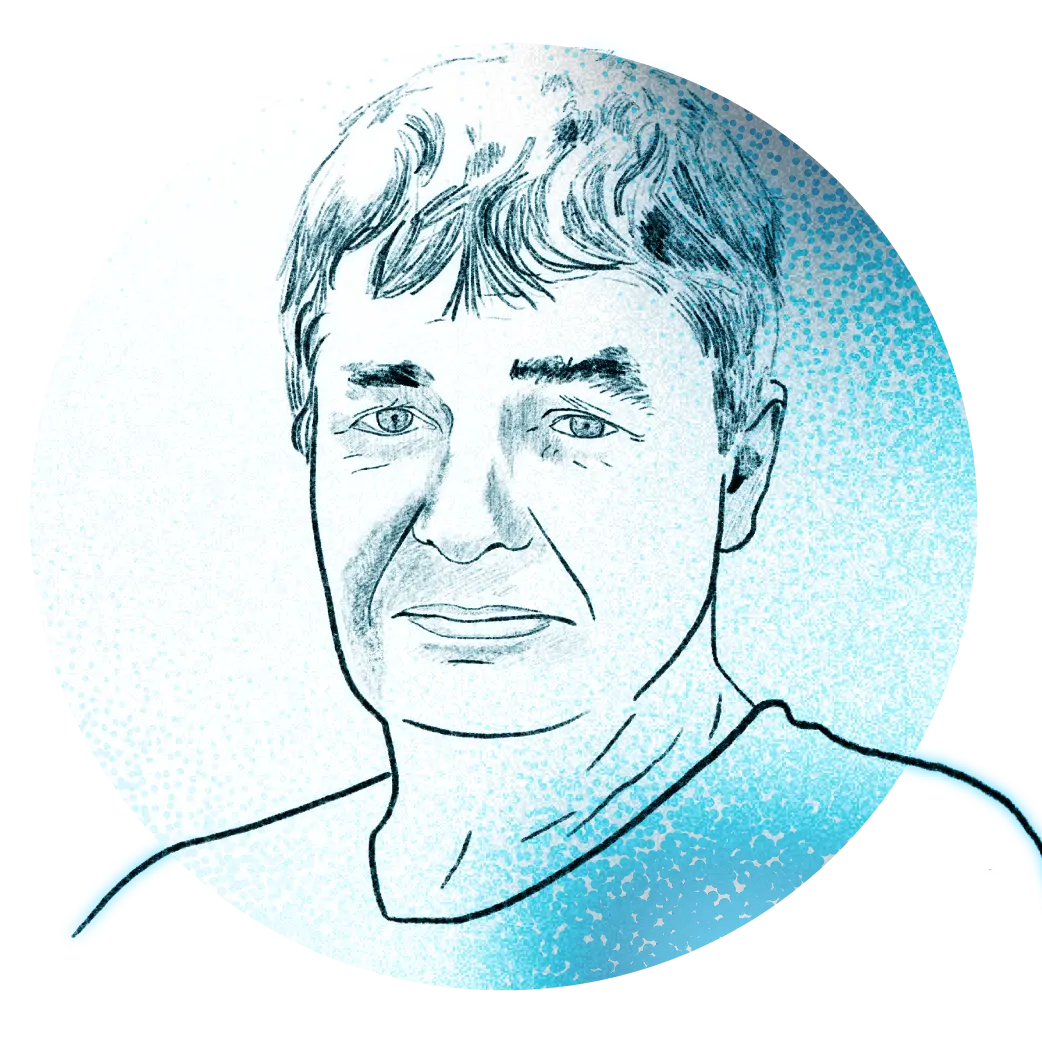
Topping Carbon Brief’s Cosmos 500 ranking, with a citation score of 69,655, is French researcher Prof Philippe Ciais.
Ciais completed his PhD in 1991. His work focused on using Antarctic ice cores to reconstruct a climate record throughout the Holocene. He then moved to the National Oceanic and Atmospheric Administration (NOAA) in the US for his postdoctoral studies.
Ciais returned to France to work at the Laboratoire des Sciences du Climat and de l’Environment (LSCE) in Paris in 1994. Over 2002-17, he worked as head of department and then associate director at LSCE.
Ciais has held many senior roles throughout his career, including as the associate director of the LSCE and co-chair of the Global Carbon Project – an international research project to study the global carbon cycle, whose annual global carbon budget report is the most comprehensive report of its kind.
The bulk of his career has focused on the global carbon cycle. For example, over 2005-13, he was instrumental in coordinating the Integrated Carbon Observation System (ICOS) – a set of 180 measurement stations across 16 European countries. This has been recognised by the European Strategy Forum on Research Infrastructures (ESFRI) as a “landmark” infrastructure.
Ciais has also contributed to the Intergovernmental Panel on Climate Change (IPCC), including as a contributing author for the carbon cycle of the fifth assessment cycle’s (AR5) Working Group I (WG1) report in 2013.
In total, according to ResearchGate, Ciais has been listed as an author on almost 1,300 academic studies. His most highly cited study is the 2019 Global Carbon Budget, which has a lengthy author list including many of the other frontrunners of Carbon Brief’s Cosmos 500 ranking. He has also been an author on numerous high-profile studies.
To allow comparison with their wider academic impact, Carbon Brief has included within the Cosmos 500 rankings each author’s h-index, according to OpenAlex. This metric calculates the wider productivity and citation impact of an author’s publications for all publications that each expert has written – not just those included in the Cosmos database.
With an OpenAlex h-index of 223, one ranking website places Ciais as the 251st most highly cited scientist across all areas of academic study.
Prof Pep Canadell is the director of the Global Carbon Project and has worked closely with Ciais for decades.
He tells Carbon Brief that Ciais’s high research output is due to his “mastery” of interdisciplinary collaborations. He explains that Ciais has always been “open” and “generous” with his colleagues, adding:
“It’s almost like the combination of the super brain that never stops developing ideas and great science, with a very personal ability to relate to people and to make people excited, all through science.”
Prof Corinne Le Quéré – who ranks 140th in the database and has also worked closely with Ciais on the Global Carbon Project – tells Carbon Brief that he is an “unparalleled” scientist. She adds:
“He is generous with ideas, constantly making suggestions to early-career researchers for new angles of exploration and new methods. He seems to remember everything, sharing papers published and underway to stimulate new thinking.”
To mark his position at the top of the Cosmos 500 rankings, Carbon Brief’s Leo Hickman conducted an in-depth interview with Ciais in May 2026.
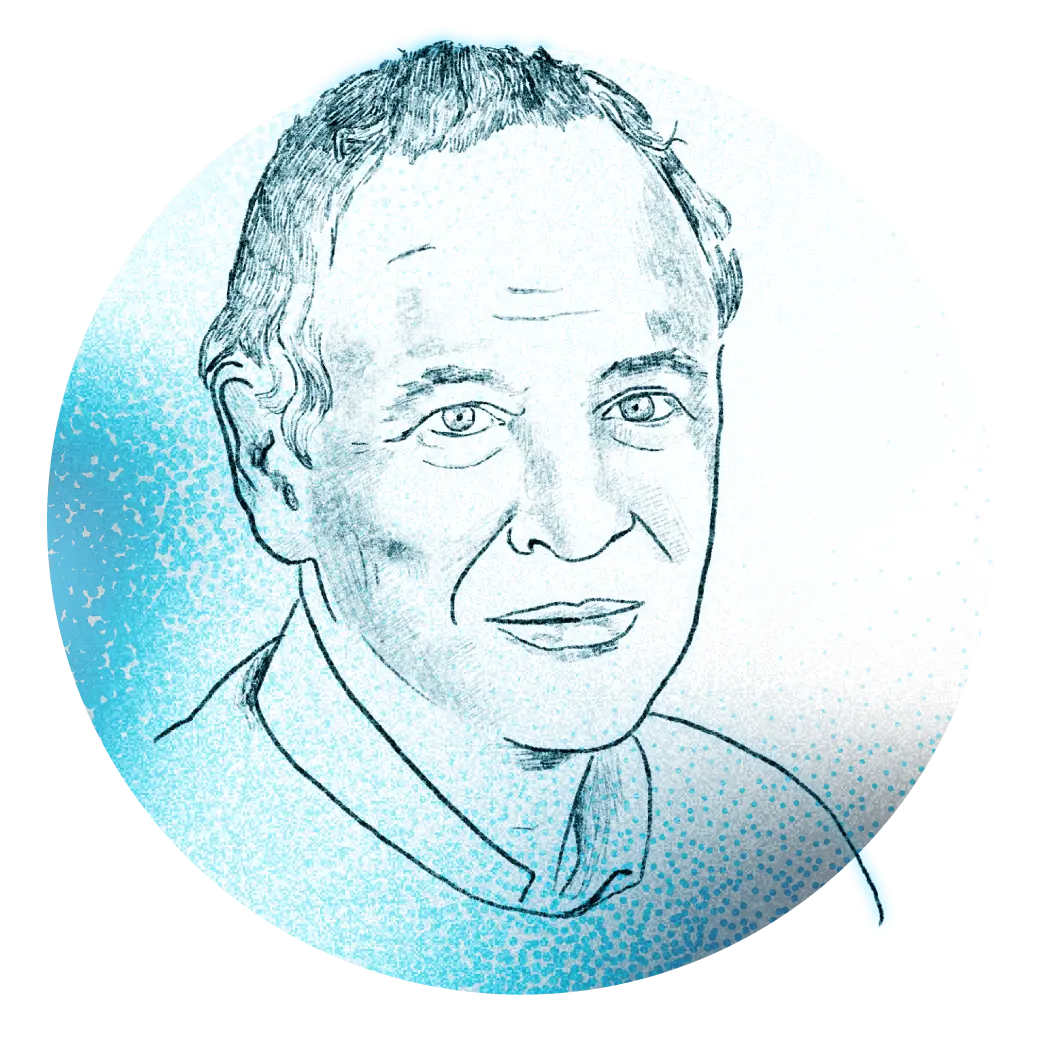
Prof Phil Jones, an emeritus professor at the University of East Anglia’s school of environmental sciences in the UK, takes the second spot in Carbon Brief’s ranking with a citation score of 66,375.
Jones received his PhD in hydrology at the University of Newcastle in 1977, then moved to the University of East Anglia’s Climatic Research Unit (CRU) as a senior research associate.
He was promoted to director of the research unit in 1998, stepping down in 2016 after an 18-year tenure. In July 2022, he became an emeritus professor – an honorary academic title typically given to retired professors who may remain affiliated with a university.
Jones is best-known for his pioneering work assembling observational datasets. He was instrumental in creating the Climatic Research Unit gridded Time Series (CRU TS) dataset – a widely used time-series featuring measurements including temperature, cloud cover and rainfall, which Jones still helps to update on a monthly basis.
Jones has published almost 500 studies. Many of his most highly cited academic studies describe updates to the CRU TS dataset.
He was also central in developing the HadCRUT dataset – a temperature record stretching back to 1850, which is one of just a handful of datasets that the World Meteorological Organisation uses to track global warming.
Dr Tim Osborn, who succeeded Jones as director of the CRU, tells Carbon Brief that these temperature records “underpin” many key areas of climate science.
For example, he says that the records are crucial for “detection and attribution” of global warming, allowing scientists to study the record of human warming and “pick apart the human influences from the natural influences”.
Jones took on a leading role in the IPCC reports related to detention and attribution. In the third assessment cycle (AR3), he was a contributing author in the chapter on “detection of climate change and attribution of causes”, while in the fourth assessment cycle (AR4), he was a coordinating lead author in the chapter on “observations: surface and atmospheric climate change”.
Jones has an h-index of 155, according to OpenAlex.
Osborn tells Carbon Brief that Jones was “very good at identifying opportunities”. For example, he says that Jones was key in pulling together palaeoclimate records, to give a global view of “the variability of climate at large scales”. This work is an important part of Jones’ legacy in climate science, he says.
Jones was involved in the so-called “Climategate” controversy, in which thousands of emails between climate scientists were stolen from a UEA server and selectively released online in an attempt to undermine COP15 in Copenhagen in 2009. These events were the subject of a 2021 BBC One film. He was cleared by multiple investigations, which concluded that the “rigour and honesty” of Jones and his colleagues was not in doubt.
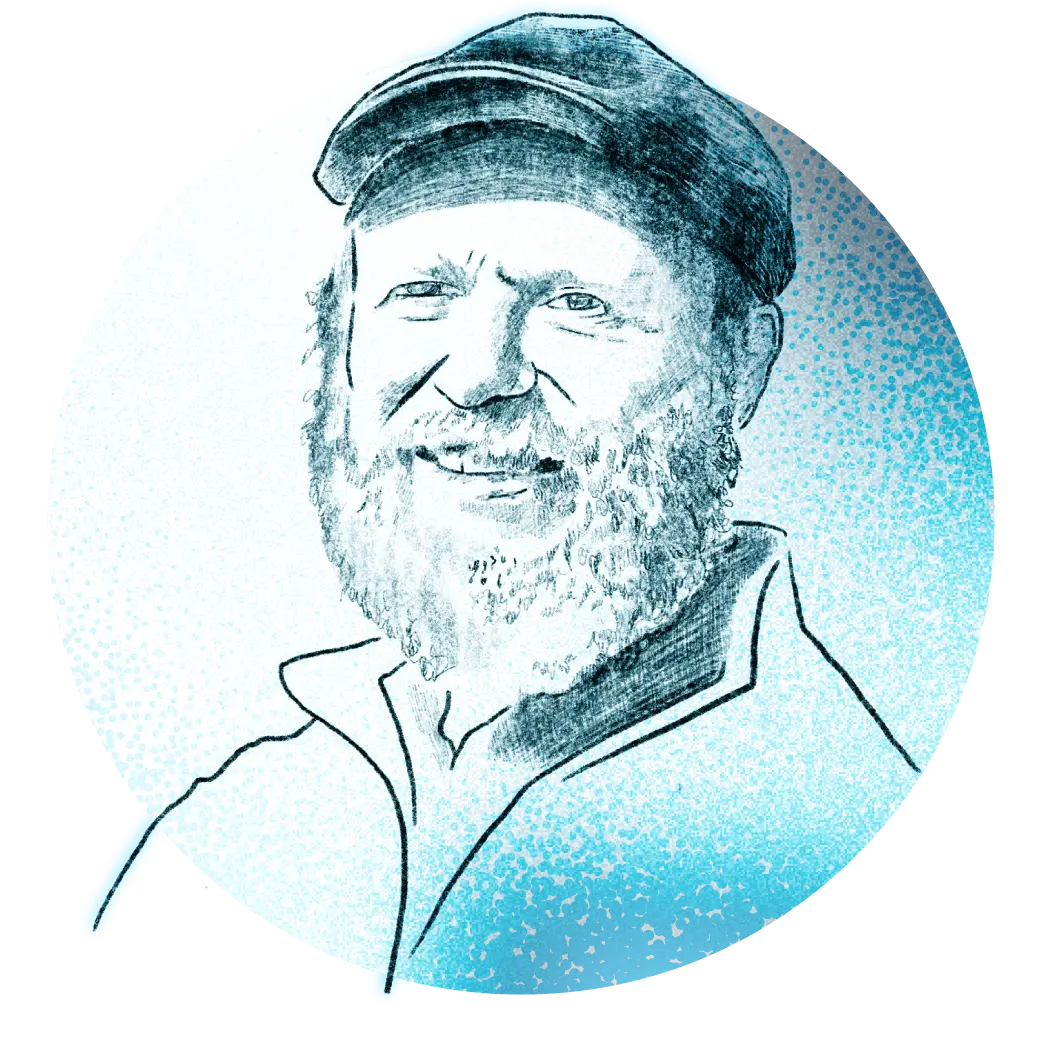
The ecologist Prof Francis Stuart Chapin III takes the third spot in Carbon Brief’s Cosmos 500 ranking, with a score of 57,432.
Chapin, now retired, is a professor emeritus at the University of Alaska’s Institute of Arctic Biology.
He has held many senior positions, including as a principal investigator of the Bonanza Creek long-term ecological research programme, director of the graduate educational programme in resilience and adaptation at the University of Alaska, and president of the Ecological Society of America.
Chapin was an author on a highly cited and influential 2009 Nature feature, which set out the “planetary boundaries” framework for the first time.
The study defines a set of interlinked thresholds that, it says, would ensure a “safe operating space for humanity” and its authors warn that crossing these thresholds “could have disastrous consequences”.
The study is referenced more than 29,000 times, according to Google Scholar, and the planetary boundaries framework has become a well-known and widely used metric for assessing risk.
He is also the first-author of a highly cited review study, published in Nature in 2000, which states that human activity has “triggered the sixth major extinction event in the history of life”, with “profound consequences for services that humans derive from ecosystems”.
Chapin has also contributed to IPCC reports, including serving as a contributing author to the “polar regions” chapter of the special report on the ocean and cryosphere in a changing climate in 2019.
His h-index of 168 is slightly higher than second-placed Prof Phil Jones. This indicates that, although he is less influential than Phil Jones in Carbon Brief’s Cosmos database of climate science, his work is marginally more influential in broader academic circles.
US ecologist Prof Steward Pickett followed Chapin as president of the Ecological Society of America and worked closely with him over many years. (Pickett referred to Chapin as “Terry” throughout the interview, noting that “nobody call[s] him Francis.”)
Pickett tells Carbon Brief that Chapin is “one of ecology’s rare synthetic thinkers” – meaning that he is able to pull together a broad range of different topics when tackling a problem. He explains that Chapin’s ideas of synthesising biology, geography and human activity into ecosystem science will leave a lasting legacy on the field.
He also praises Chapin for his ability to work with a wide range of researchers, explaining that he has always shown a deep “kindness, humility and respect” for his colleagues.

At number four in Carbon Brief’s Cosmos 500 ranking is Dr Gerald Meehl – a senior scientist at the National Center for Atmospheric Research (NCAR) in the US, with a citation score of 55,138.
Meehl heads the Earth system predictability section of NCAR and has served on a wide range of boards and committees, including as co-chair of the Community Earth System Model (CESM) climate variability and change working group.
Meehl is an author on multiple IPCC assessment reports, including working as a lead author on the near-term climate change chapter for AR5.
He was the lead author on a highly cited 2005 study, published in Science, which found that, even if CO2 levels in the atmosphere had stabilised in 2000, “we are already committed to further global warming of about another half degree and an additional 320% sea level rise caused by thermal expansion by the end of the 21st century”.
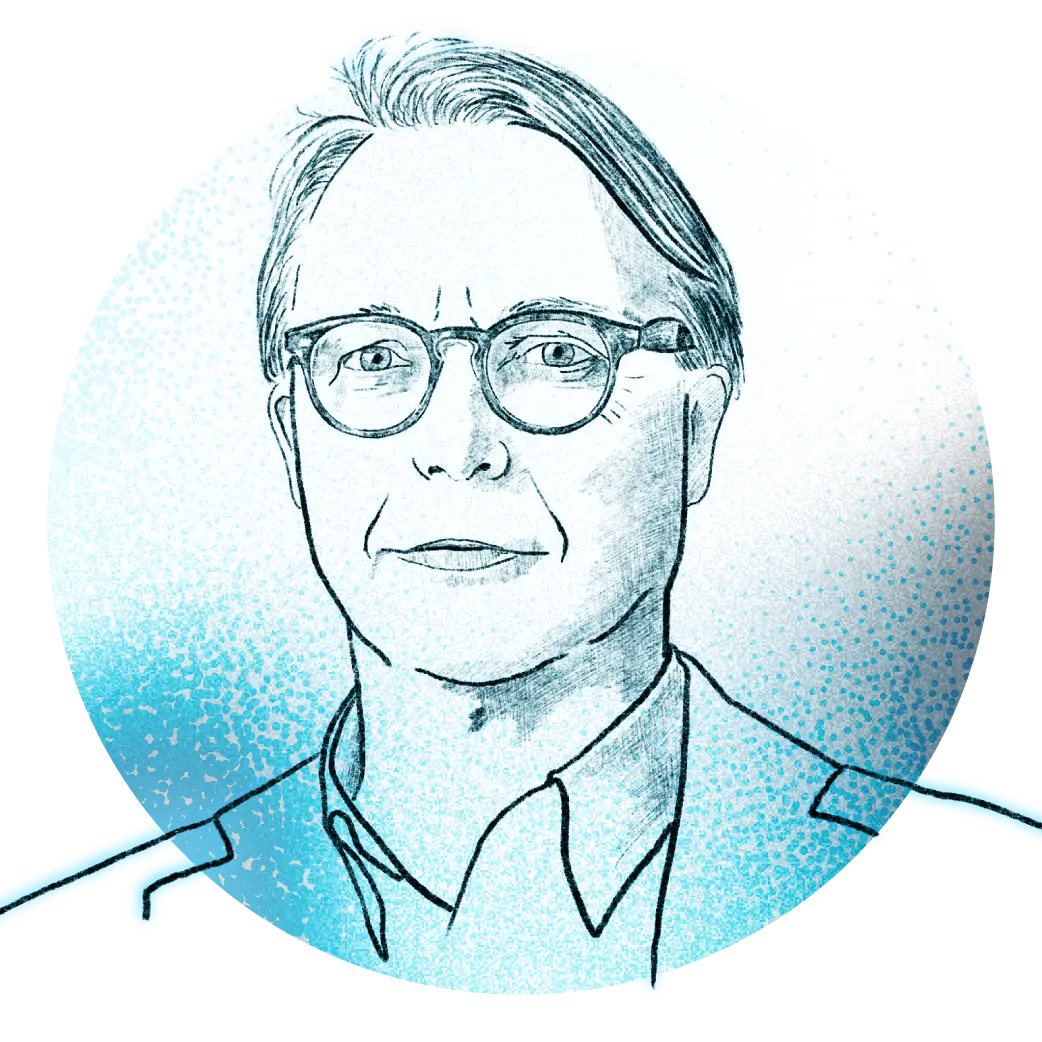
In fifth position is Prof Carl Folke, co-founder and chair of the board of Stockholm Resilience Centre at the University of Stockholm, with a citation score of 52,438.
Folke’s most highly cited study as a lead author is a Global Environmental Change study published in 2006, titled: “Resilience: the emergence of a perspective for social-ecological systems analyses.”
He also worked with Chapin – ranked third in Carbon Brief’s Cosmos 500 database – on the influential 2009 Nature feature on planetary boundaries. Many of his other most highly cited research publications also describe updates to the planetary boundaries framework.
Folke has held many senior positions, including founder and chair of the Scientific Committee of the Anthropocene Laboratory and former director of the Beijer Institute of Ecological Economics at the Royal Swedish Academy of Sciences.
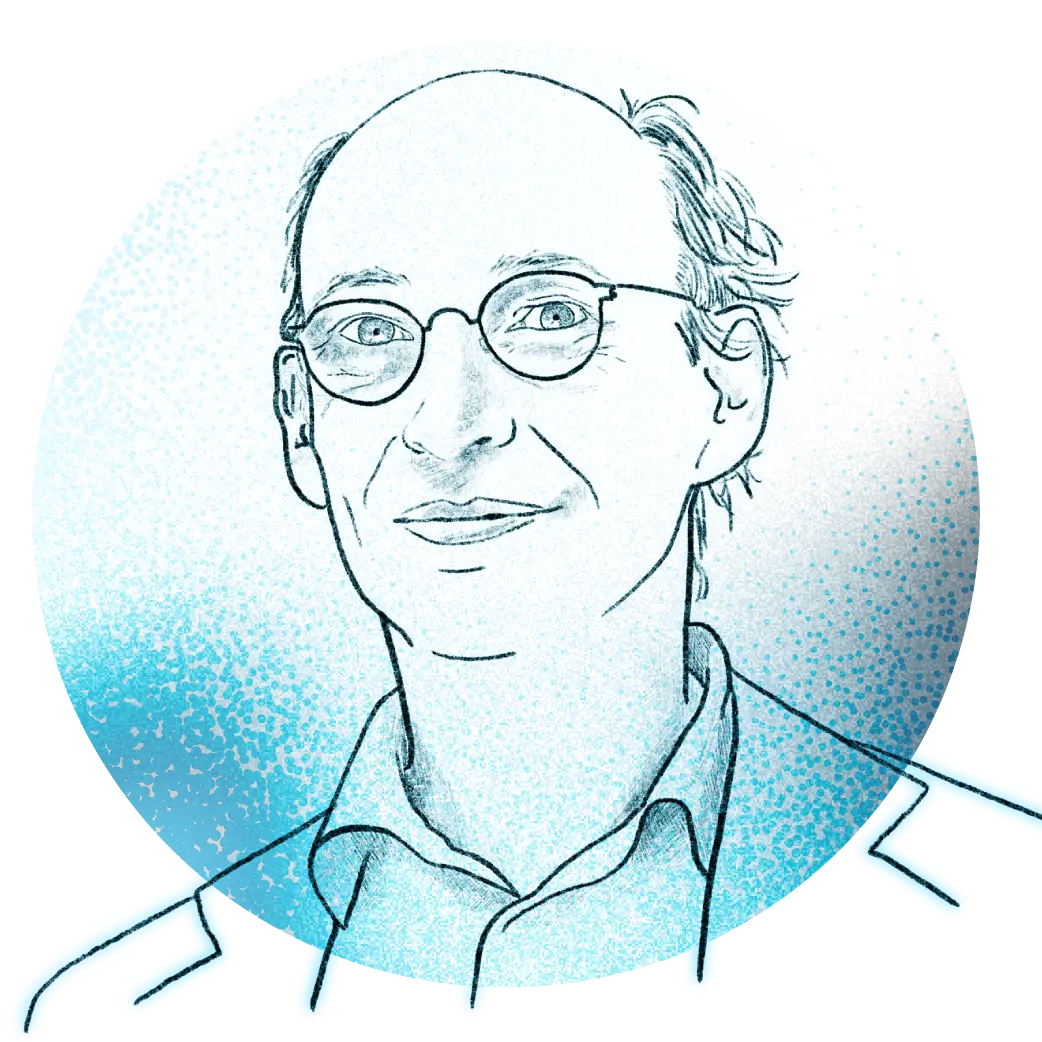
Prof Detlef van Vuuren, a professor at Utrecht University’s faculty of geosciences and a senior researcher at the PBL Netherlands Environmental Assessment Agency, ranks sixth in Carbon Brief’s Cosmos 500, with a citation score of 49,721.
Carbon Brief has also analysed the 107,000 unique studies, reports and books that are directly referenced in the IPCC reports. This subset of data is known as the “IPCC-only” section of the Cosmos database. Van Vuuren is the highest-ranking author in this database and achievements are discussed more below. (See: “IPCC-only ranking.”)
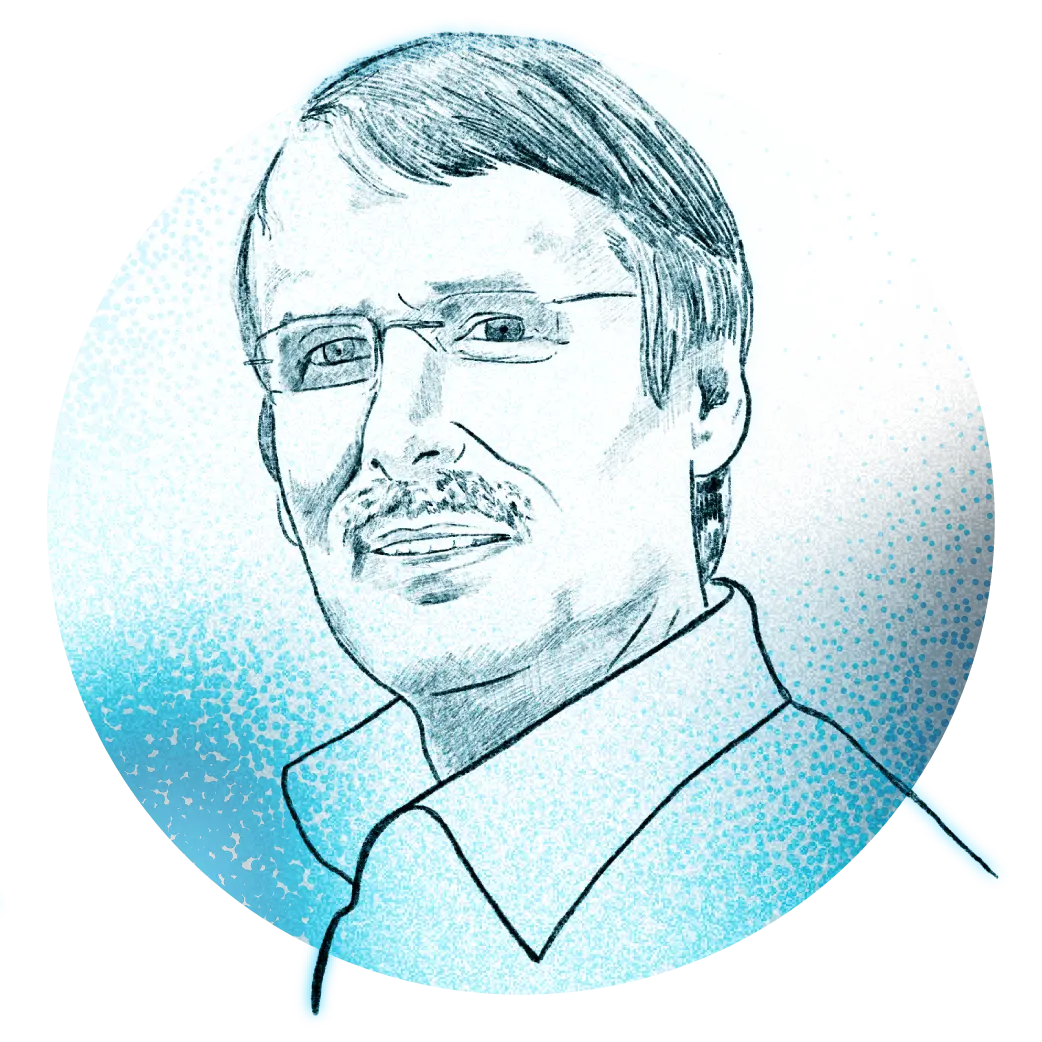
At number seven, with a citation score of 45,751, is Dr Kevin Trenberth – a “distinguished scholar” at NCAR and an honorary academic in the department of physics in New Zealand’s University in Auckland.
Trenberth has held many senior positions, including as chair of the World Climate Research Programme’s observation and assimilation panel and global energy and water exchanges scientific steering group.
Trenberth has also been a lead author on multiple IPCC reports.
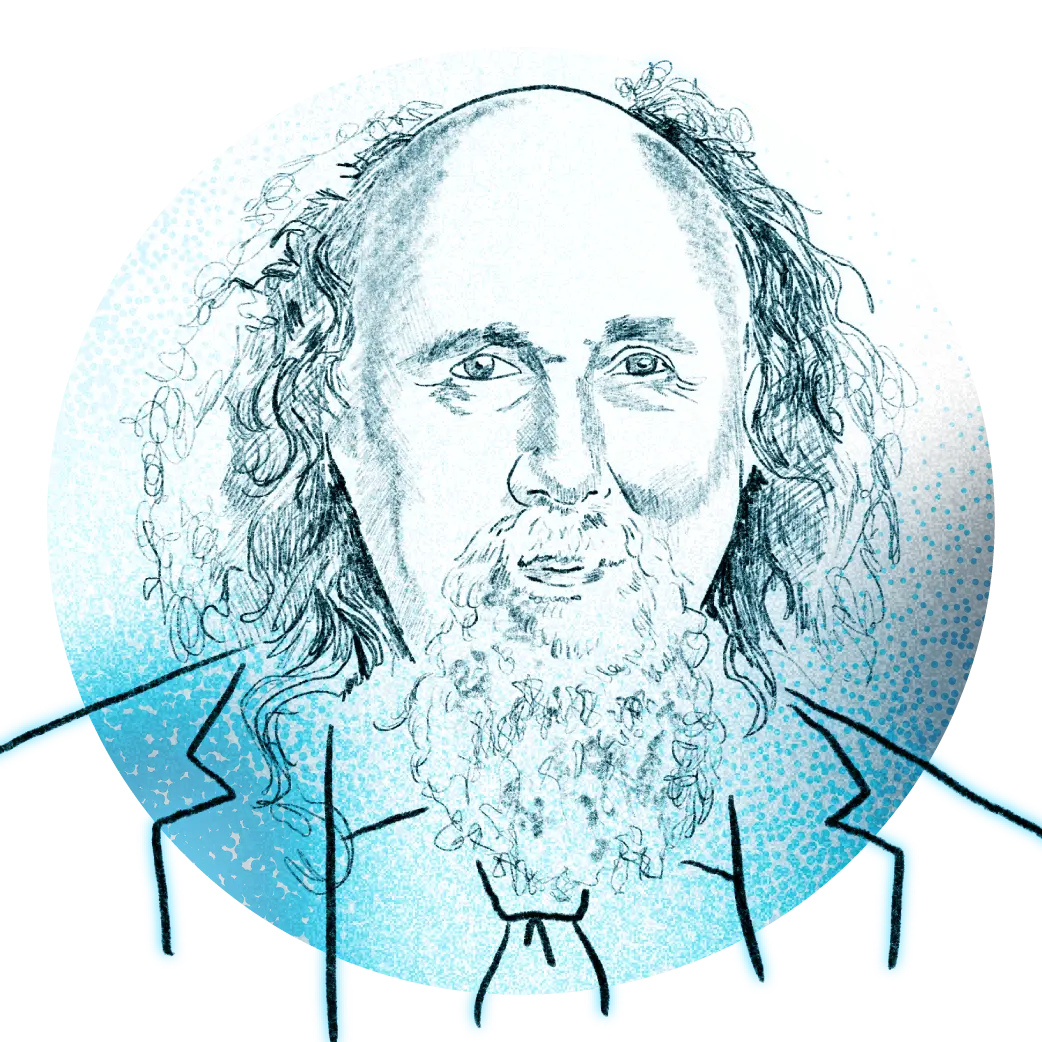
Prof Colin Prentice from Imperial College London takes the eighth spot in Carbon Brief’s Cosmos 500, with a citation score of 44,836.
Prentice’s work centres on how plants react to changes in the climate. He is director of the Leverhulme Centre for Wildfires, Environment and Society, which was launched in 2019.

Prof Pierre Friedlingstein, chair of mathematical modelling of climate systems at the University of Exeter, takes the ninth position with a citation score of 44,673.
Friedlingstein is part of the Global Carbon Project team, which produces an annual update on global carbon emissions and stores. He is the lead author on his most highly cited study – the 2019 Global Carbon Budget, on which Cosmos 500 frontrunner Prof Philippe Ciais is also an author.
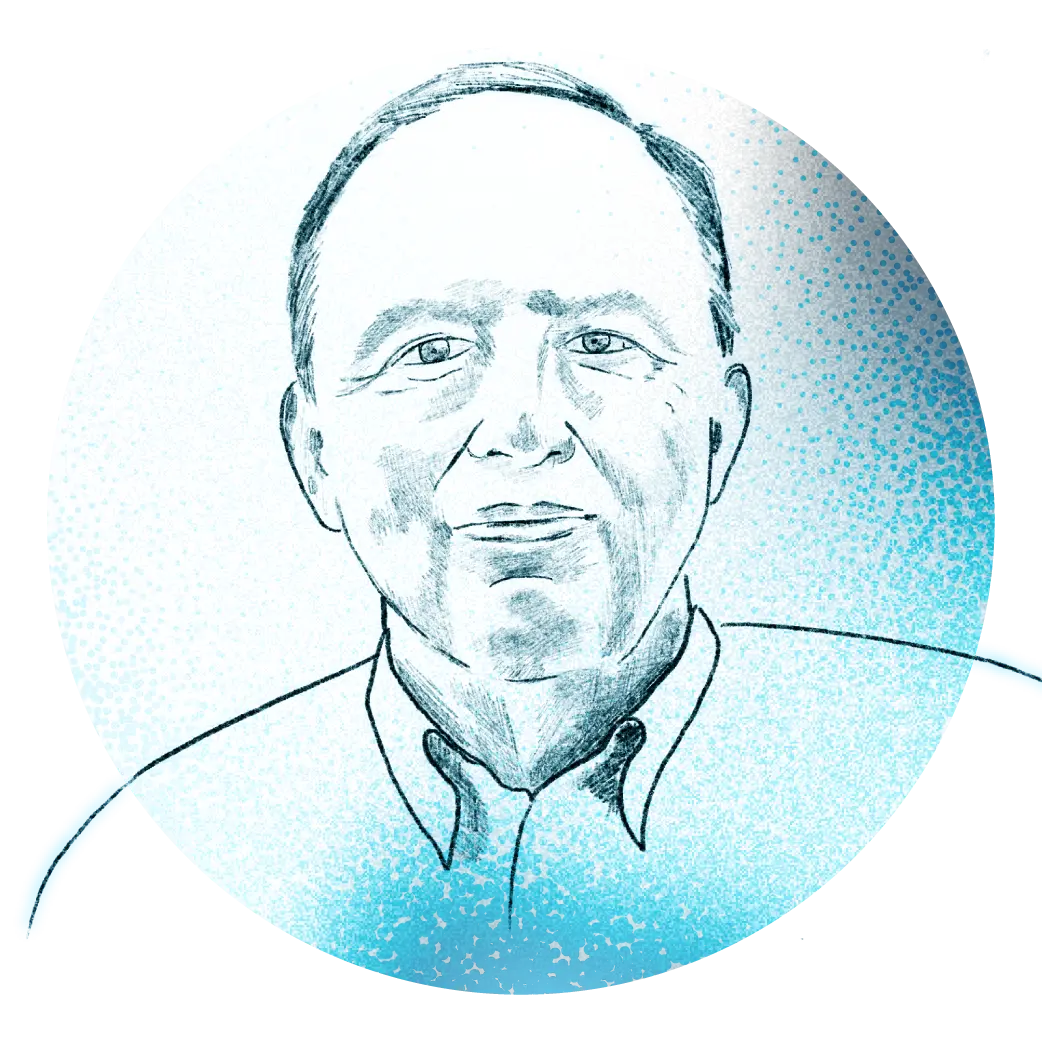
Rounding off the top 10 is Prof David Tilman – professor and presidential chair in ecology at the University of Minnesota, with a score of 43,411. He is director of the university’s Cedar Creek Ecosystem Science Reserve.
The next 10 authors in Carbon Brief’s Cosmos 500 ranking are, in order:
- Dr Jean‐François Lamarque is a former senior scientist at the NCAR and chair of the Coupled Model Intercomparison Project (CMIP). Lamarque’s work focuses on Earth-system modelling and he is an author on multiple IPCC reports.
- Prof Ronald Stouffer is a meteorologist and adjunct professor at the University of Arizona. He was formerly the head of the climate and ecosystems group at the Geophysical Fluid Dynamics Laboratory. He is an author on multiple IPCC reports.
- Prof Keywan Riahi is the director of the energy, climate and environment programme at the International Institute for Applied Systems Analysis in Austria. He is an author on multiple IPCC reports. (See below for more on Riahi.)
- Prof Stephen Carpenter is an ecologist from the University of Wisconsin-Madison and director of the centre for limnology – the study of inland aquatic ecosystems.
- Dr William Collins is the associate laboratory director of the earth and environmental sciences area at Lawrence Berkeley National Laboratory. His work focuses on climate modelling and he is an author on multiple IPCC reports.
- Prof Dennis Lettenmaier is a hydrologist and distinguished professor of geography at the UCLA’s Institute of Environmental Sustainability.
- Prof Scott Doney is a marine scientist at the University of Virginia, specialising in biogeochemical modelling. He is an IPCC report author and served during the Biden administration as the assistant director for ocean climate science and policy at the White House’s Office of Science and Technology Policy.
- Prof John Seinfeld is a professor of chemical engineering at Caltech’s division of engineering and applied science in Los Angeles, where his work focuses on atmospheric science.
- Dr Karl Taylor is the director of the programme for climate model diagnosis and intercomparison at Lawrence Livermore National Laboratory in California. He is an IPCC report author.
- Prof Christopher Field is the director of the Stanford Woods Institute for the Environment in California and professor of interdisciplinary environmental studies.
Other notable authors
At number 25 is marine ecologist Dr Carlos Duarte, a distinguished professor at the King Abdullah University of Science and Technology in Saudi Arabia. Duarte has contributed to IPCC reports, including as a contributing author on IPCC’s AR5 Working Group II (WG2) chapter on coastal systems and low-lying areas.
Climate scientist Dr James Hansen, adjunct professor at Columbia University, takes spot 28.
In 1988, Hansen testified before a US Senate committee, stating that he could declare with “99% confidence” that a rise in global temperatures was driven by human activity. The Guardian called Hansen’s testimony the “first warning to a mass audience about global warming”.
At number 43 is Prof Sonia Seneviratne, a professor of land-climate dynamics at the department of environmental systems science at ETH Zurich.
She was a lead author of the IPCC’s 2018 special report on global warming of 1.5C and is vice-chair of WG1 for the upcoming seventh assessment cycle.
The 44th spot goes to Argentine meteorologist Prof Eugenia Kalnay, who died in 2024. Kalnay held many senior positions including as director of environmental modelling at the US National Centers for Environmental Prediction. She was the lead author on the second most cited study in the Cosmos 500 rankings, namely, “The NCEP/NCAR 40-Year Reanalysis Project”.
The majority of experts in Carbon Brief’s Cosmos 500 ranking are men from the global north.
Almost half of all experts in the Cosmos 500 are from the US. The next highest-ranking countries are the UK and Germany, with 17% and 7%, respectively. Meanwhile, only 4% of authors are from countries in the global south, two-thirds of whom are from China.
Carbon Brief finds that only 10% of the authors in the Cosmos 500 are women. The first 35 entries of the Cosmos 500 ranking are men.
The highest placed female author is Elinor Ostrom, the US political economist who was awarded the Nobel memorial prize in economic sciences in 2009, three years before she died.
It is worth noting that physical scientists and economists who are involved in large projects, such as the Global Carbon Project and the production of core climate models, are likely to rank highly in Carbon Brief’s Cosmos 500 because their models and data are reference points for a wide range of other climate research.
IPCC-only rankings
The Cosmos 500 ranking analyses the full 1.8m publications in Carbon Brief’s database of climate science.
However, due to the IPCC’s pivotal role within climate science, Carbon Brief has also analysed the 107,000 unique studies, reports and books that are directly referenced across all the IPCC reports published since 1990. This subset of data is known as the “IPCC-only” section of the database.
Prof Detlef van Vuuren
Prof Detlef P van Vuuren is the highest-scoring scientist in Carbon Brief’s IPCC-only database.
Van Vuuren is a professor of integrated assessment of global environmental change at Utrecht University and senior researcher at the PBL Netherlands Environmental Assessment Agency, where he leads the IMAGE integrated assessment modeling team.
He also sits on the board of the Integrated Assessment Modelling Consortium, the EAT Lancet Commission, the Earth Commission and the Global Carbon Project.
Van Vuuren is a leading figure in the development of emissions scenarios. He is the lead author on a highly cited study, published in 2011, which provides an overview of “representation concentration pathways” – the scenarios that underpinned the IPCC’s AR5.
He is also the lead author on a recent study introducing the scenario framework for the seventh coupled model intercomparison project (CMIP7) – the climate modelling that will feed into AR7.
To mark his position at the top of the “IPCC-only” Cosmos 500 rankings, Carbon Brief’s Leo Hickman conducted an in-depth interview with van Vuuren in May 2026.
Prof Keywan Riahi
Sitting in second place in the IPCC-only rankings is Prof Keywan Riahi – the director of the energy, climate and environment programme at the International Institute for Applied Systems Analysis in Austria.
Riahi is also a visiting professor of energy systems analysis at the Graz University of Technology and serves as a fellow at the Colorado School of Mines.
In 2021, UN secretary-general Antonio Guterres appointed Riahi to a 10-person panel advising on science, technology and innovation regarding the UN’s 2030 sustainable development goals.
In 2022, Riahi was appointed to the European scientific advisory board on climate change, which is described as ”a point of reference for the European Union on scientific knowledge relating to climate change”. He is also a member of the scientific advisory board of Vienna.
Riahi has worked with van Vuuren on many key studies focused on emissions scenarios.
In third position is Prof Philippe Ciais – who ranks first in the full Cosmos 500 rankings. (See above.)
Other notable authors
The IPCC-only rankings feature many notable climate experts who are listed less prominently in the main Cosmos 500 rankings.
For example, Prof Peter Smith, chair of plant and soil science at the University of Aberdeen, ranks fifth in the IPCC-only rankings, but at number 32 in the full Cosmos 500. Smith is director of the Scottish Climate Change Centre of Expertise and has served as an author on multiple IPCC reports.
The highest placed female author is Prof Sonia Seneviratne at position 11, compared to her ranking of 43 in the full Cosmos 500. (See above.)
Prof Joeri Rogelj – director of research at the Grantham Institute and professor of climate science and policy at the Centre for Environmental Policy at Imperial College London – sits at position 13 in the IPCC-only rankings.
Roglej is a lead author on the annual UN “emissions gap” reports and an author on multiple IPCC reports.
At position 17 is Prof Peter Stott MBE, professor of detection and attribution at the University of Exeter and researcher at the UK Met Office Hadley Centre.
Stott is the lead author on what is widely considered to be the first study to attribute an extreme-weather to human-caused climate change. Published in 2004, the study found that human-caused climate change at least doubled the likelihood of the deadly 2003 European heatwave.
Prof Richard Betts MBE sits in position 29. Betts is head of climate impacts research at the Met Office Hadley Centre and a chair of climate impacts at the University of Exeter. He led the writing of the technical report for the UK’s third climate change risk assessment.
Both Betts and Stott have contributed to multiple IPCC reports.
Notable climate scientists in the top 50 of the IPCC-only ranking also include:
- Prof Kristie Ebi, professor of global health in the department of global health at the University of Washington.
- Prof Reto Knutti, professor at the department of environmental systems science at ETH Zurich.
- Prof Myles Allen, head of atmospheric, oceanic and planetary physics in the department of physics at the University of Oxford.
- Prof Piers Forster, founding director of the Priestley Centre for Climate Futures at the University of Leeds.
- Prof Cynthia Rosenzweig, a senior research scientist at the NASA Goddard Institute for Space Studies.
- Prof Gabriele Hegerl, professor of climate system science at the school of geosciences at the University of Edinburgh.
The rankings
Method
To produce these rankings, Carbon Brief defined a metric called the “citation count”. This is the number of times that each academic study, book and report is referenced by the others within the database.
Carbon Brief identified and omitted the IPCC reports and chapters from the final ranking of citation count. This is because their citation count would be substantially higher than that over other publications and would have an outsize influence on the rankings. A key aim of Project Cosmos was to identify and analyse the foundational science that underpins climate knowledge, not the extent to which IPCC reports cite other IPCC reports.
A publication’s citation count only shows how highly cited it is within Project Cosmos. It does not indicate how highly cited the study is in broader academic literature.
Carbon Brief manually checked the Cosmos 500 authors to identify any instances when an expert is listed twice. In these very rare cases, Carbon Brief manually combined the profiles.
(For example, Anthony David McGuire is listed twice as “A. David McGuire” and “A. D. McGuire’”. This indicates that he has two separate profiles on OpenAlex – an open-source catalogue of millions of publications – and that studies he has written are split across these two profiles. Carbon Brief added together the citation counts for these two entries to ensure that McGuire is ranked correctly.)
See Carbon Brief’s methodology article for more details on how the database was constructed.
Each author’s gender and country of affiliation was also recorded. Country of affiliation is based on the author’s institutional affiliation, according to OpenAlex’s “current institutions” tab. Note that this data is recorded by OpenAlex and may contain errors.
Where no “current institutions” are listed on OpenAlex, or where multiple institutions are listed, Carbon Brief used internet searches to determine the expert’s most recent institution. Otherwise, the single institution listed for an author is based on OpenAlex’s highest count among their institution affiliations. Note that this can mean their current affiliation is not shown, but, rather, the institution shown is where they published the most studies.
The gender of authors is based on the usual gender of their first name, as determined by an internet search for their professional website bearing a sex-specific pronoun and ChatGPT.
Carbon Brief recognises that gender is not best categorised using a binary “male” or “female” label, and appreciates that the methods used of determining author gender could result in inaccuracies. However, for the purpose of this analysis, this method was deemed the most suitable.
[25 June 2026 update: Carbon Brief updated the way that institutions are assigned to authors in the ranking table. If an author’s OpenAlex data has a “last known institutions” list then that is used, otherwise it reverts to the previous method; retrieving from OpenAlex a list of their works grouped by institution at the time of a work’s publication and showing the institution with the highest count. This update does not affect the Cosmos 500 institutions rankings.]